
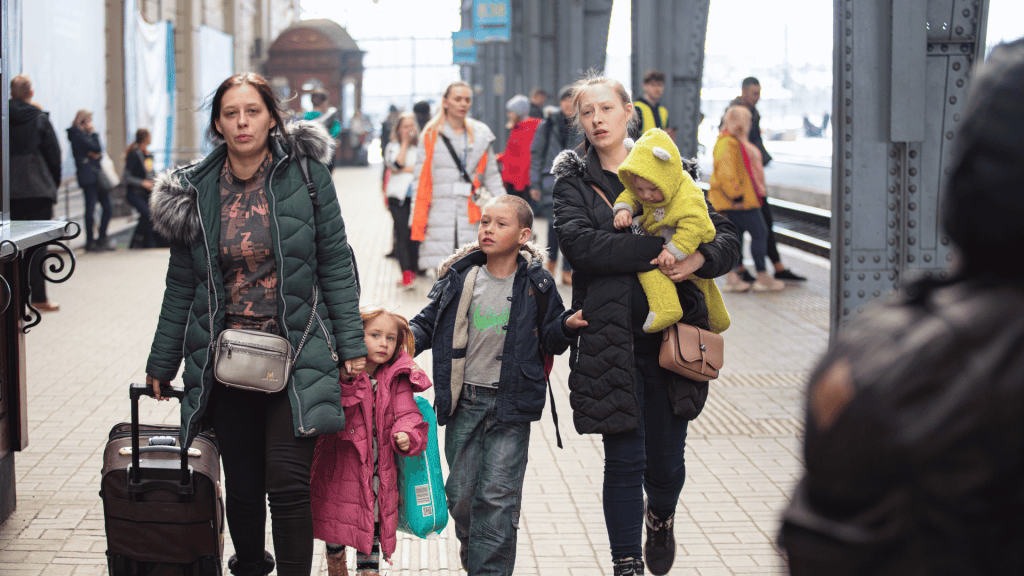
When we think of war, we often imagine headlines, negotiations, or political leaders. What’s harder to visualize—but far more urgent—is the scale of suffering unfolding in the lives of children caught in these conflicts. From Gaza to Sudan, the numbers paint a devastating picture of how modern wars are targeting not just combatants, but the very foundations of childhood.
Globally, over 43 million children are now displaced by conflict, according to UNICEF’s 2024 report. That’s nearly the population of a medium-sized country—living without homes, stability, or a sense of future. In Gaza, more than 1 million children have been displaced in just a matter of months. In Sudan, over 3 million children are now on the move, many without their families.
But the trauma doesn’t end at displacement. In Gaza alone, more than 17,000 children have been killed or injured since October 2023. The numbers continue to rise as medical systems collapse. In Ukraine, confirmed deaths of children due to bombings, shelling, or landmines number in the thousands. Yet these figures only scratch the surface, as many casualties in besieged areas go unrecorded.
Nutrition is another silent emergency. Malnutrition affects 45 million children worldwide, but it spikes drastically in war zones. In Gaza, one-third of children are now showing signs of acute hunger. The closure of supply routes and damage to agricultural systems leave families with no access to fresh food or clean water. For infants, the scarcity of formula and fortified food can be deadly.
War also strips away education. More than 222 million children globally live in conflict-affected zones where learning is disrupted or impossible. In many places, schools are either destroyed or repurposed into shelters. Even a few months without education can set a child back years—and in war, those months often become entire childhoods.
Perhaps least visible, yet most enduring, is the psychological cost. Studies show that up to 80% of children living through war exhibit signs of trauma, anxiety, or depression. In Gaza, some children have lived through four or five military offensives by the time they turn 12. For them, the sound of drones is part of daily life. The absence of safety, routine, and emotional support threatens their long-term cognitive and emotional development.
These numbers aren’t just statistics. They are evidence. They demand attention—not just from aid organizations, but from the public, policymakers, and anyone with the ability to amplify these truths. Understanding the scale of the crisis is the first step toward shaping a more just, responsive, and compassionate world.
These numbers are devastating, particularly to children who are the victims of war. However, with joint relief organizations collaborating to help, significant improvements can be made to lives of these children.